
Temperatures across the country have been soaring over the last couple of months, especially in the north of the peninsula where some areas have been experiencing temperatures of nearly 40°C.
Brief exposure to direct sunlight can pose a risk of heatstroke, while indoor spaces may feel uncomfortably hot, leaving individuals feeling lethargic and experiencing symptoms like overall body heat, dizziness, loss of appetite and abdominal discomfort.
Many are turning to simple remedies such as drinking ice water and using air conditioners to cope.
One of the fundamental philosophies of traditional Chinese medicine (TCM) is its Holistic View, which recognises that the external environment influences changes within the body.
These changes are categorised by TCM into six external pathogenic factors: wind, cold, heat, dampness, dryness and fire.
TCM identifies natural factors with “hot” characteristics as heat or fire factors, with fire representing the more intense form of heat.
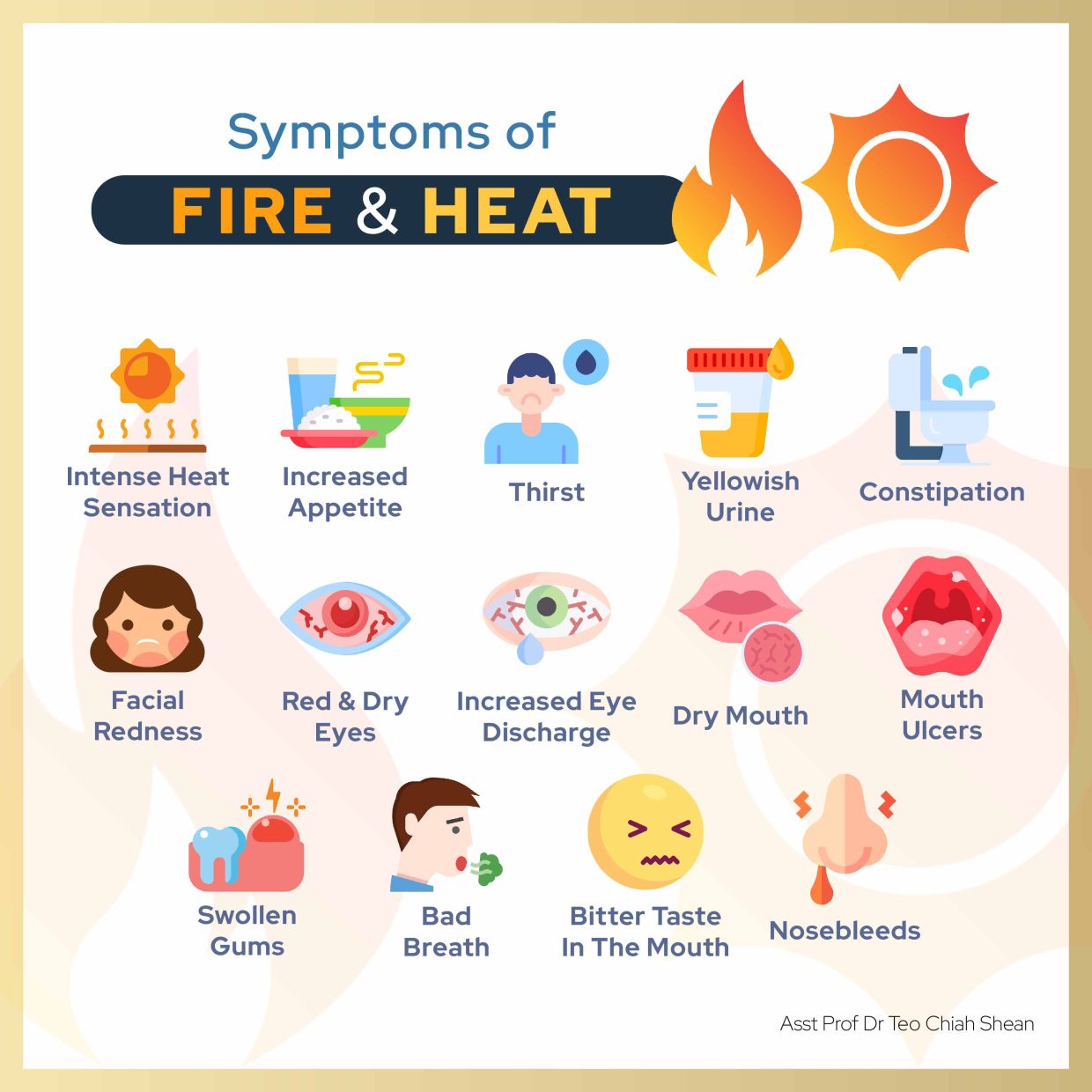
Heat and fire factors often present with symptoms such as intense heat sensation, accompanied by increased appetite, thirst, yellowish urine and constipation, as these factors can deplete body fluids.
Fire factors tend to ascend in nature, resulting in symptoms primarily occurring in the upper body.
These include facial redness, red and dry eyes, increased eye discharge, dry mouth, mouth ulcers, swollen gums, bad breath, bitter taste in the mouth, and even nosebleeds.
In addition to external heat, those of us living in this fast-paced society also experience “internal” heat.
This is contributed by prolonged emotional stress and overconsumption of fast food and high-calorie foods, especially among individuals who work overtime and stay up late.
Here are five basic TCM tips on how to reduce your “heat”, both internally and externally:
It is advisable to drink water in small amounts frequently, with each intake not exceeding 300ml, to stay hydrated.
However, simply drinking cold water may not be sufficient to alleviate the internal heat that accumulates in the body.
In such cases, you can try brewing teas with herbs that are refreshing and cooling in nature, such as mint, chrysanthemum, honeysuckle, mulberry leaves and monk fruit.
These teas not only help relieve external heat, but also clear internal heat accumulation.
For individuals who experience mouth dryness, thirst and dry stool, a mixture of rock sugar and American Ginseng beard (or fibre) can be beneficial.
Those experiencing a sticky sensation in the mouth, as well as sticky stool, can try a mung bean drink.
Aiyu jelly, grass jelly, and Gui Ling Gao are traditional cooling herbs.
Black plum and rock sugar boiled together into sour plum soup have the effect of nourishing the yin (water element) in our body.
However, we need to be aware that overconsuming cold herbal teas in hot weather can weaken the digestive system and lead to diarrhoea, loose stools, and even stomachache.
Apart from drinking iced water, many of us turn to indoor air conditioning to keep cool.
According to TCM theory, prolonged exposure to low temperatures from air conditioning can disrupt the natural ventilation of the skin.
Hence, it’s recommended that individuals working in air-conditioned environments engage in light aerobic exercises after work to induce mild sweating.
This allows the skin to ventilate naturally and break the stagnation of yang (fire element) energy in the body during hot weather.
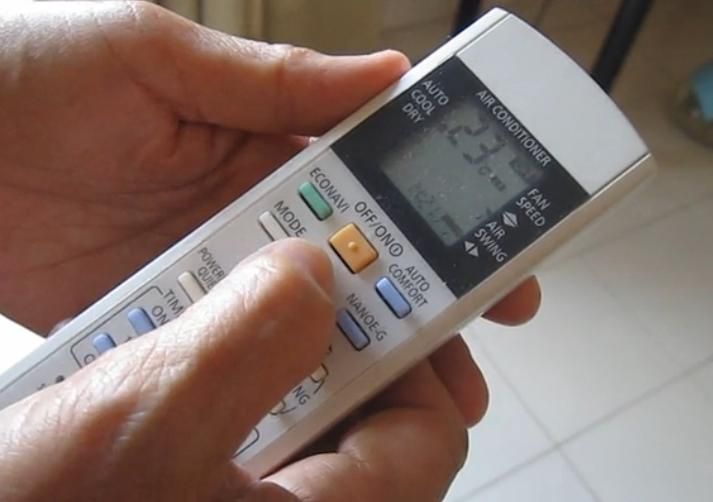
When using air conditioning at night, it’s important to set the temperature at a moderate level to avoid excessive cooling.
Ideally, the indoor temperature should not deviate significantly from the outdoor temperature.
A range of 22°C to 26°C is considered suitable for most people.
This should be adjusted to 26°C to 28°C for those who are frail or elderly.
Setting the air conditioner to automatically turn off around 3am as the external temperature drops gradually, helps prevent us from getting chilled during the night.
If using a fan or air conditioner throughout the night, it is advisable to cover oneself with a thin blanket to protect the abdomen and back.
For individuals exposed to air conditioning for extended periods and prone to feeling cold, incorporating “warm-natured” foods like garlic, chilli, dates and ginger into their diet once or twice a month is recommended to warm the body’s yang energy.
Adequate ventilation by opening windows is crucial to avoid heat buildup indoors.
Avoid sleeping in stuffy rooms to help prevent heatstroke.
When it comes to outdoor activities, engaging in moderate exercise is key, especially to prevent heat exhaustion and heatstroke.
Activities like walking, qigong or yoga are recommended.
Individuals who have greasy diets and lack exercise should make an effort to move more, stretch their muscles and engage in outdoor activities after work, to induce sweating.
Balancing work and rest is crucial during hot weather to prevent heat-related illnesses.
However, always remember to avoid outdoor activities during the hottest times of the day (between 1pm and 3pm).
During hot weather, the body expends a lot of energy during the day, leaving people prone to feelings of fatigue.
According to TCM, this is because the yang energy is vigorous in hot weather, leading to increased sweating and accelerated metabolism.
The heightened fire element in the heart meridian during hot weather can lead to irritability, particularly at night, resulting in shallow sleep and daytime fatigue.
TCM practices the concept of “Zi Wu sleep”, which means following the ideal timing for restorative sleep based on the body’s natural energy flow, which corresponds to specific hours of the day and night.
“Zi” corresponds to the hours of 11pm to 1am, while “Wu” corresponds to the hours of 11am to 1pm.
Therefore, taking an afternoon nap after lunch for about 20-30 minutes around noon, and sleeping earlier than 11pm is recommended to replenish energy.
Late nights can damage yin and deplete qi; hence, it is advised to avoid staying up late during hot weather to prevent fatigue, poor sleep and irritability.
The human mind, attitude and emotions undergo subtle changes with the seasons and climate.
During hot weather, individuals may not only feel physically fatigued, but may also often experience “heart fire” agitation, manifesting as irritability, lethargy and mental fog.
Heat-induced physiological changes, such as hormonal fluctuations and disturbed sleep patterns, can contribute to shifts in mood, feelings of sadness or an overall sense of emotional instability.
Emotional disturbances in individuals significantly increase, especially when temperatures exceed 30°C.
TCM emphasises the importance of nurturing the heart by adjusting one’s mindset, calming the mind and relaxing one’s emotions.
This requires us to learn to maintain a calm and peaceful demeanour, to cultivate tranquillity and serenity, and to master the art of emotional regulation to achieve a state of “calmness brings coolness” in the heart.
Many foods possess both medicinal and dietary properties that aid in clearing “heat” and detoxifying the body.
Common examples include fruits like water chestnut, pear, pomelo, watermelon, strawberry, grape, hawthorn and dragon fruit, as well as vegetables like mung bean, bitter gourd, winter melon, cucumber, tomato, Chinese cabbage, snow fungus and kudzu root.
However, individuals with a weak constitution should be cautious not to overconsume these foods.
With rising temperatures, excessive consumption of fatty and fried foods can contribute to internal heat.
This can be indicated by symptoms such as bad breath and a yellow tongue coating.
Lotus seed cores and dandelion delicacy sugar water or soup can be prepared to help clear this “heat”.
Foods that strengthen the “spleen” (which, in TCM, is a different concept from the anatomical organ) and dispel “dampness” include yam, coix seed, poria, adzuki bean and fox nut, which can be boiled into soups to address dampness-related issues.
In cases of a thick tongue coating – which indicates a heavy degree of “dampness” affecting the appetite – yin-nourishing and dampness-clearing foods such as coix seed, white hyacinth bean, lotus leaf and rice porridge can be beneficial.
ALSO READ: What your tongue says about your health
Maintaining a balanced diet is essential, focusing on foods that aid in clearing “heat”, strengthening the “spleen” and dispelling “dampness”.
It’s advisable to avoid greasy, sweet, thick-tasting or “hot”-natured foods, and opt for those with a mild and nourishing effect.
Assistant Professor Dr Teo Chiah Shean is trained in both Western and traditional Chinese medicine. For more information, email starhealth@thestar.com.my. The information provided is for educational and communication purposes only, and should not be considered as medical advice. The Star does not give any warranty on accuracy, completeness, functionality, usefulness or other assurances as to the content appearing in this article. The Star disclaims all responsibility for any losses, damage to property or personal injury suffered directly or indirectly from reliance on such information.
Editor's note: This article was originally published online on April 17, 2024.