Walk into a New York City bar or restaurant, and there’s one drink you are guaranteed to see on the menu: a martini. Often, there will be several - a classic with a twist, one so dirty it’s cloudy and one served subzero and cold as ice. You’ll see a similar picture in cities like London and Los Angeles.
Despite the well-documented fact that people are drinking less than they used to, the alcohol-heavy martini is getting star billing everywhere.
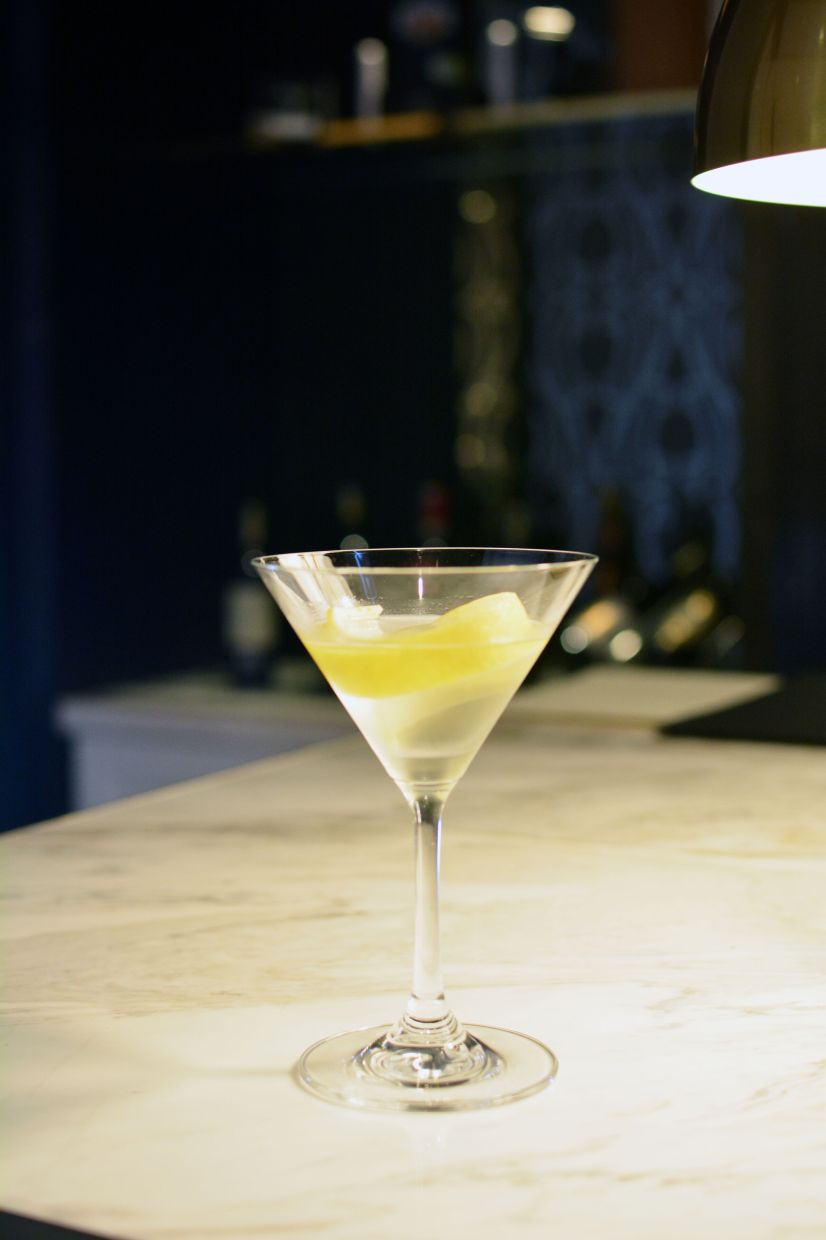
A well-made martini - gin or vodka, mixed with a little vermouth so it slides down like liquid silk - is popular with seasoned cocktail veterans and casual imbibers alike.
They’re a safe order when drink lists are increasingly filled with unrecognisable names and products at a premium price. A martini is the most reliable, adaptable and stylish cocktail out there.
Restaurant and bar operators are equally passionate about the drink. It’s fast to make, easy to execute during peak service and reliably ordered – a hero menu item at a moment when elaborate cocktail programs and ever-slimmer margins have made profiting at a bar more challenging. What’s more, the martini is an inherently high-margin drink.
"You can get a great bottle of gin or vodka for about £30 to ringgit (RM161) compared to significantly more expensive whisky and tequila,” says Liam Davy, beverage director at the British steakhouse chain Hawksmoor Group Ltd., which has 13 locations in the UK and the US; its newest outpost, at St. Pancreas in London, has a martini bar attached. "Our Fords gin martini is £12 (RM64.50); there’s no way you could sell a great whisky or tequila cocktail for that price,” he adds.
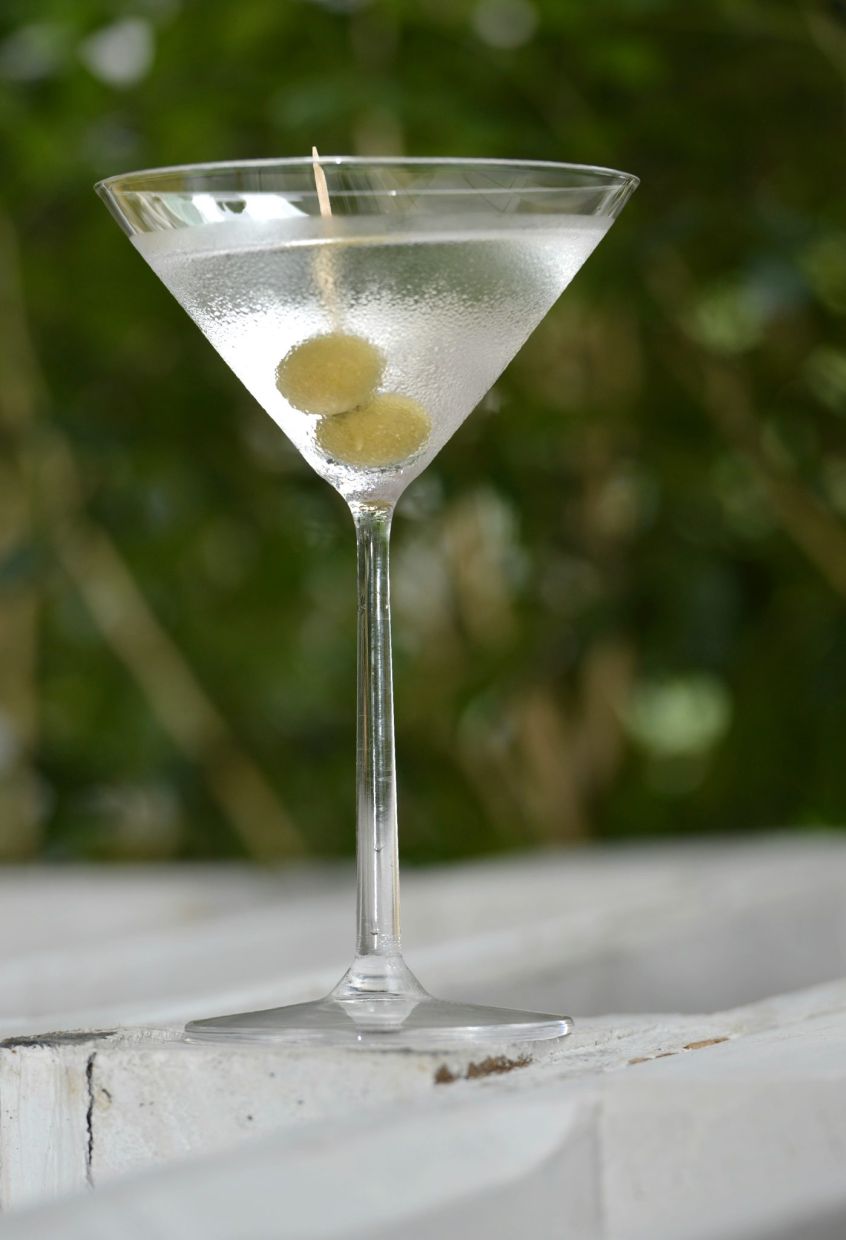
The martini has been around in one form or another since the mid 19th century, evolving from the Martinez - a mix of sweet vermouth, Old Tom gin, maraschino cherry liqueur and bitters - into the drier, sharper cocktail we recognise now.
The drink "defined” mid-century cocktail culture and glamour, says Amy Racine, who oversees the beverage programs for chef John Fraser’s restaurant group, which includes the brasserie La Marchande in New York’s Financial District.
Famous fans from James Bond to Sex And The City’s Carrie Bradshaw cemented that image. That cultural cachet, along with myriad variations, from bone dry to the passion-fruit-infused Porn Star martini, which has been labeled the comeback cocktail of 2026, has made the drink ubiquitous. Hailey Bieber made a martini her main accessory for the Saint Laurent tuxedo jacket she wore to last year’s Met Gala.
Not so long ago, it was the province of steakhouses and classic cocktail bars. A survey of bar scenes around New York indicates just how popular the martini has become. On a graffiti-splashed corner of the Lower East Side, the new modern Mediterranean dining room Bufón is doing a brisk business with them. The house martini is engineered for flavor and speed.
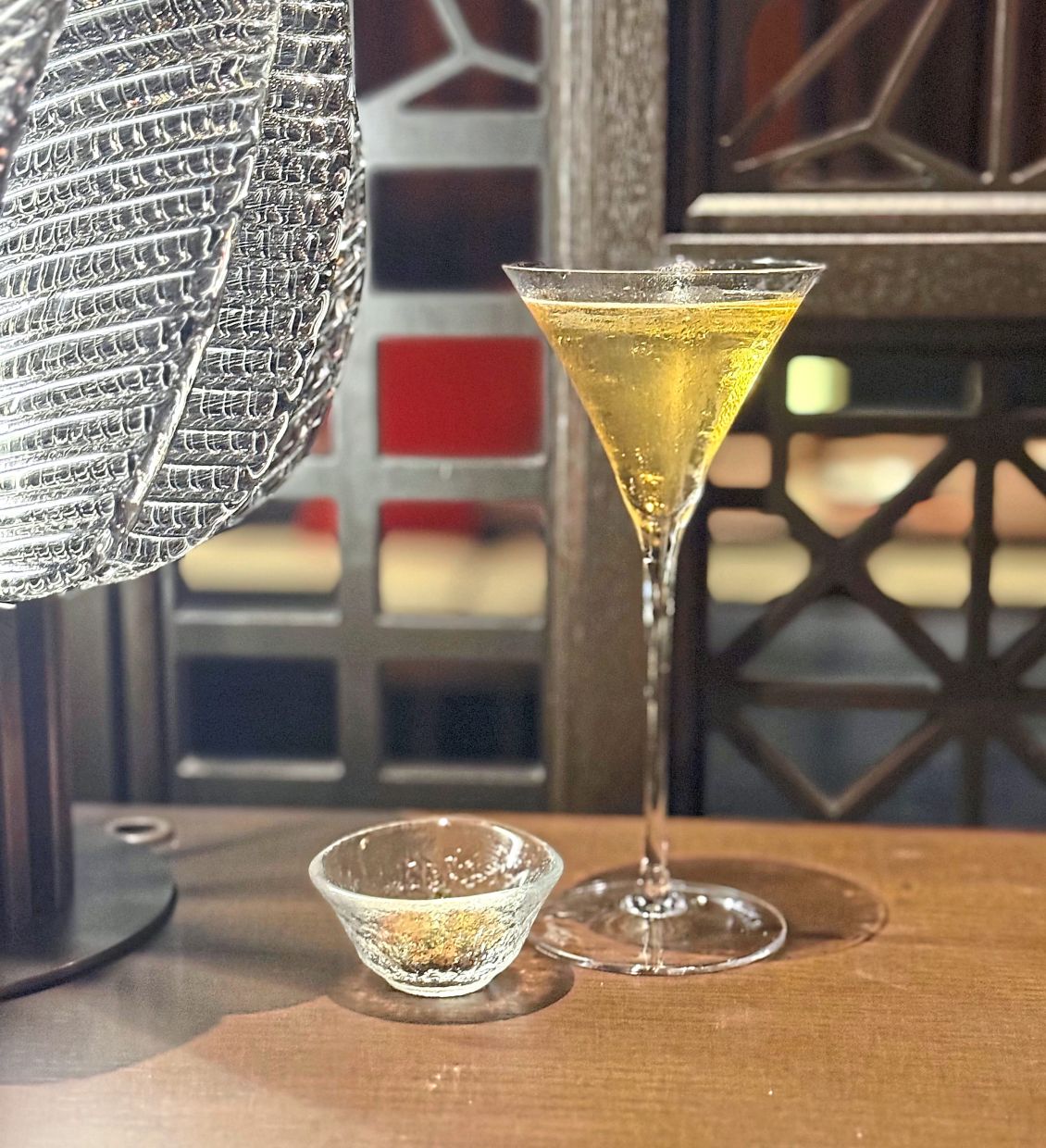
Lucky Preksto, who runs the bar, tweaks his $21 (RM82.48) gin-based iteration with a splash of fino sherry and a couple drops of saline solution before diluting it and storing it in the freezer.
The result is icy, austere, softly nutty - and ready to serve in about 15 seconds. Along with the house dirty martini, it already commands 50% of the house cocktail sales, Preksto reports.
Martinis are also replacing margaritas as the cocktail of choice at several Asian and South Asian restaurants. At the fine-dining Indian stalwart Tamarind Tribeca, bar manager Milton Copa attributes its popularity to its malleability, from base spirit to flavor and garnish. He describes the drink as a "blank canvas,” an opportunity to get creative with a familiar vessel, and one of his top sellers is now the ginger and jalapeño martini.
At the fiery Thai spot Fish Cheeks in NoHo, the zippy martini features cilantro, chili brine and pickled gooseberries. It’s an unexpectedly strong seller for a cuisine not traditionally associated with martinis. In fact, martini sales - including classic iterations - are up 30% at the restaurant over the past three months.
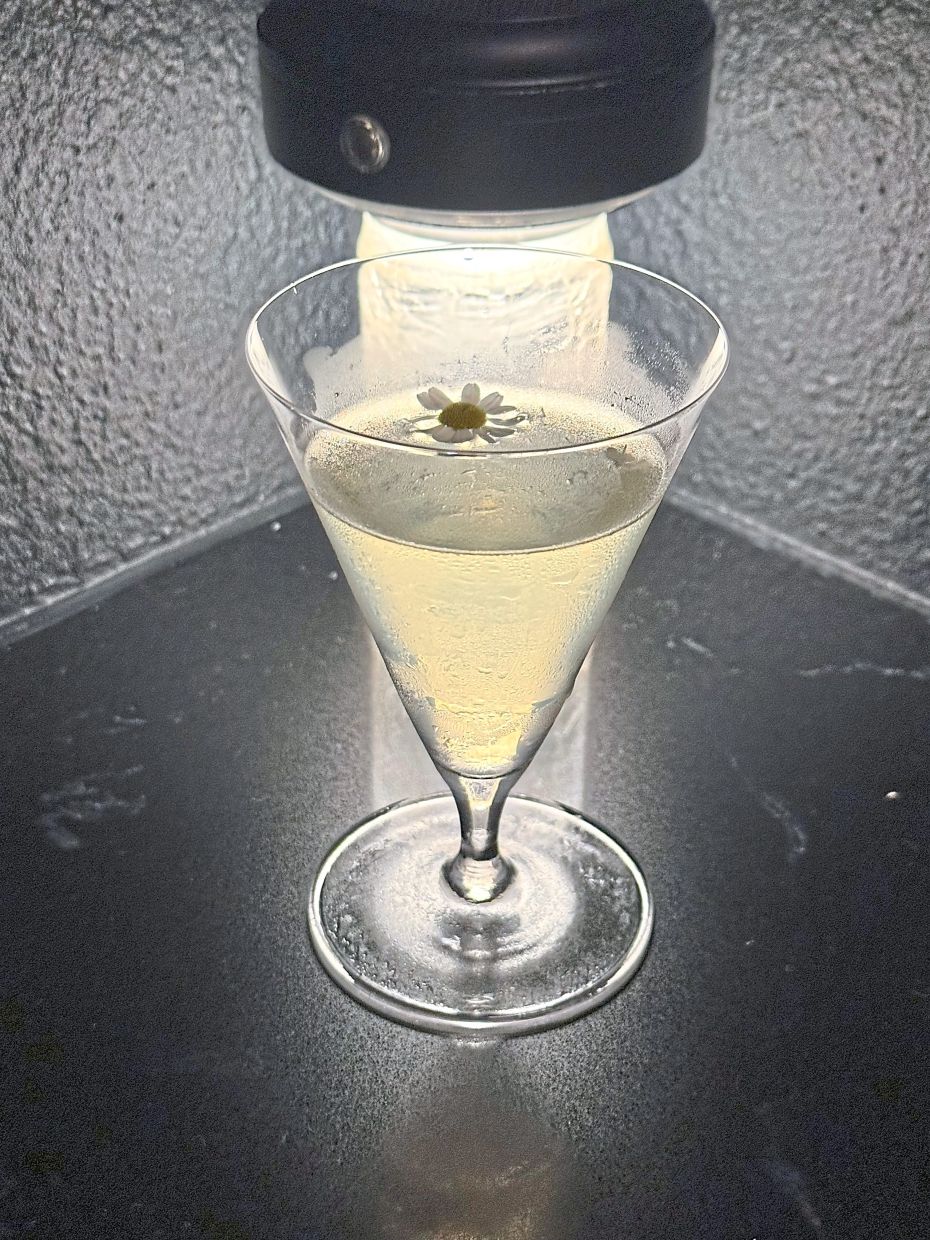
In Midtown, at the fine dining French restaurant Gabriel Kreuther, head bartender Katie Zuidema is seeing increased revenue from martinis even as alcohol consumption declines among her customers. She believes guests who drink want to make it count - opting for one or two martinis made to their own specifications. (Sales might also be up because the house’s premium martini, made with Gravenstein apple-based Rochelt gin and a 70-plus-year-old amontillado sherry, costs $95. She sells around three a week, and many more of the cheaper US$28 option.)
The martinis at old-school cocktail institution Temple Bar in New York’s NoHo start at $23, but customers often choose rare or high-proof spirits as its base, driving the price up to as much as $63 and delivering an impressive profit margin of around 90%, says beverage manager Noeli Sanabria.
Of the nine martinis on offer, four were introduced in recent months. The payoff has been immediate: Overall martini sales are up 30% over the past three months, while demand for mini 3 ounce pours has surged 240%. Expanding the martini lineup, Sanabria says - especially with tasting-size options - has been "a clear revenue driver.”
Over in Gramercy, at Martiny’s, the namesake, best-selling beverage also comes in small and large sizes, distinguished by ingredients like marigold and kefir yogurt. Since the bar’s debut, nearly four years ago, owner Takuma Watanabe has added at least five versions to the menu, which increases their audience.
And New York is not the only place where martinis are taking over. In another city with a long cocktail history, Los Angeles, several bars and restaurants report an uptick in sales of the cocktail. The bar team at the retro Italian-American restaurant Jones had already mixed 1,475 martinis over the first three weeks of (Dry) January, up from 1,198 in the same period last year, a more than 20% increase. At Firstborn in Chinatown, where the fried Chongqing chicken is a sensation, bar director Kenzo Han reports a 53% increase in their martini sales over the last six months, including one flavored with parsley oil and carrot eau de vie.
Abroad, there’s similar momentum. At Hawksmoor in the UK, Davy says martinis are going strong: "We have been watching the martini craze in the US. Now it’s arrived in London.” Although martinis aren’t the bestsellers at his bars, he’s seen a jump in orders, especially since the opening of the Martini Bar in late November. "We sold about 1,000 martinis a week there in December,” he says. (In Dry January, the numbers have cooled to closer to 500 a week.)
Back in New York, Matt Piacentini has been mixing martinis for the better part of two decades, and for the past 11 years at his cozy Greenwich Village lounge, the Up & Up. While he acknowledges the drink’s current jump in popularity - he saw stronger sales in 2025 than the previous year - he’s looking at the long game. To suggest that people will ever lose their taste for martinis is, he says, like saying "they’ll lose their taste for fresh air, or clean water.” – ©2026 Bloomberg