“Where in the world is that?” is the question I’m always asked when I tell people I’m going to Andorra.
To be fair, even the Sardinian receptionist who welcomed us at Suites Plaza Hotel & Wellness Andorra – the country’s only hotel with a family spa – confessed that he had never heard of this European microstate before arriving there himself.
“My friend just told me it was a great country with lots of opportunities,” he says with a smile, as he introduces us to the hotel’s facilities, which include an indoor children’s play area complete with – to my boys’ delight – a mini football pitch.
Moments later, we’re ushered into a generously-sized family room, its windows framing a striking vertical rock face.
Pretty impressive for a city hotel.
Wedged high in the Pyrenees between Spain and France, Andorra may be small, but it occupies prime mountain real estate. Despite its stunning location, the capital, Andorra la Vella, can feel surprisingly drab and utilitarian at first glance, its concrete-heavy centre faintly echoing the alpine practicality of Davos, Switzerland.
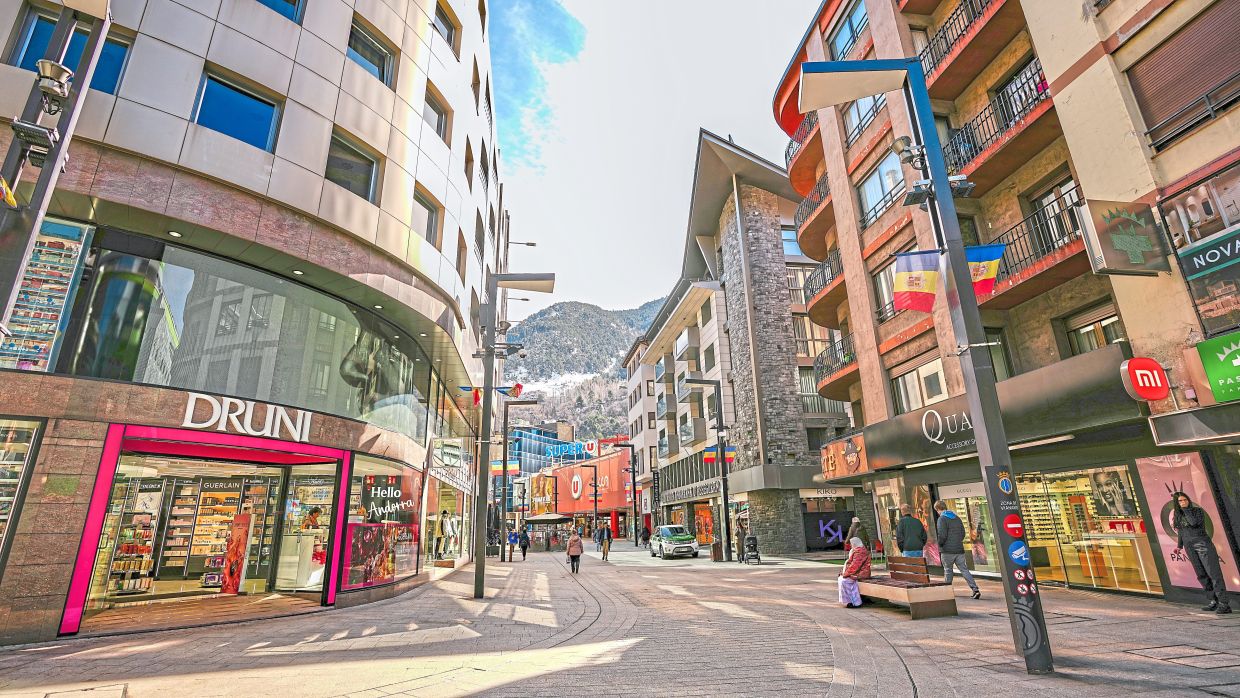
That matters little to the Spanish and French, who descend in droves during public holidays, drawn by the promise of duty-free shopping and bargains galore. Prestige beauty brands like SkinCeuticals and Chanel cost noticeably less than they would in Asia, while entire streets like Meritxell Avenue are lined with beauty retailers and high-street favourites, turning the city into an unexpectedly efficient shopping playground.
Wet, wild and sunny
However, Andorra’s true appeal lies just beyond the city limits.
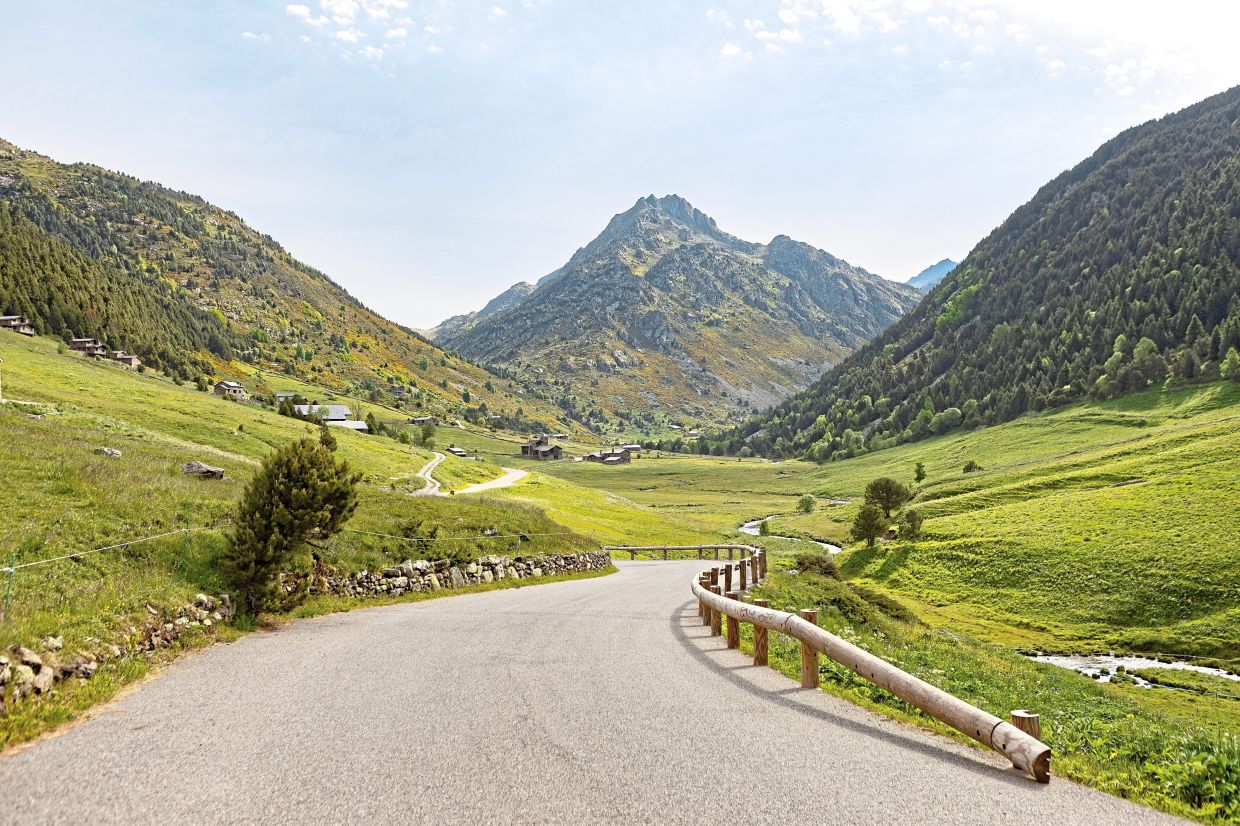
Within half an hour’s drive, the landscape opens up into some of the most spectacular – and surprisingly affordable – mountain scenery in Europe, where snow-dusted peaks, forested valleys, and quiet alpine villages offer a far more compelling introduction to this oft-overlooked country.
In summer, this undulating landscape beckons hikers and bikers. From December to March, however, the same terrain transforms into a winter wonderland, where one could snowshoe, sledge, ski, snowboard or snowmobile to their heart’s content. Everything can be rented on-site.
Naturally, we made a beeline for Grandvalira, one of Andorra’s largest ski resorts, on our first day. A full day on the slopes – including ski rentals, lift passes, private lessons for the adults and group lessons for two children – set us back just a little over RM2,500.
By European ski standards, it was a remarkably reasonable sum, and noticeably cheaper than comparable experiences at many popular French and Swiss resorts.
We chose El Tarter, home to some of the most beginner-friendly slopes, and the gondola deposited us onto the mountain, skis in hand, squinting into a blinding expanse of white. The sun was blazing, the snow was dazzling, and we had, predictably, forgotten our goggles.
It was only 10am, but the slopes were already packed with other Europeans. Skiing may have become an Instagram aesthetic in recent years, but it was easy to tell the seasoned skiers from the novices – and those who seemed more invested in posing than turning. A snowmobile whizzed past carrying an injured skier on a stretcher.
Undeterred, we found a few beginner runs to reacquaint ourselves with our ski legs. After lunch, buoyed by my children’s growing bravado and the septuagenarian who glided effortlessly past me, I decided to attempt an intermediate run.
For someone who hadn’t skied in decades, I felt briefly triumphant ... until a fence, a twisted knee, and reality brought my pro-skiing fantasies to a swift end.
On bended knee
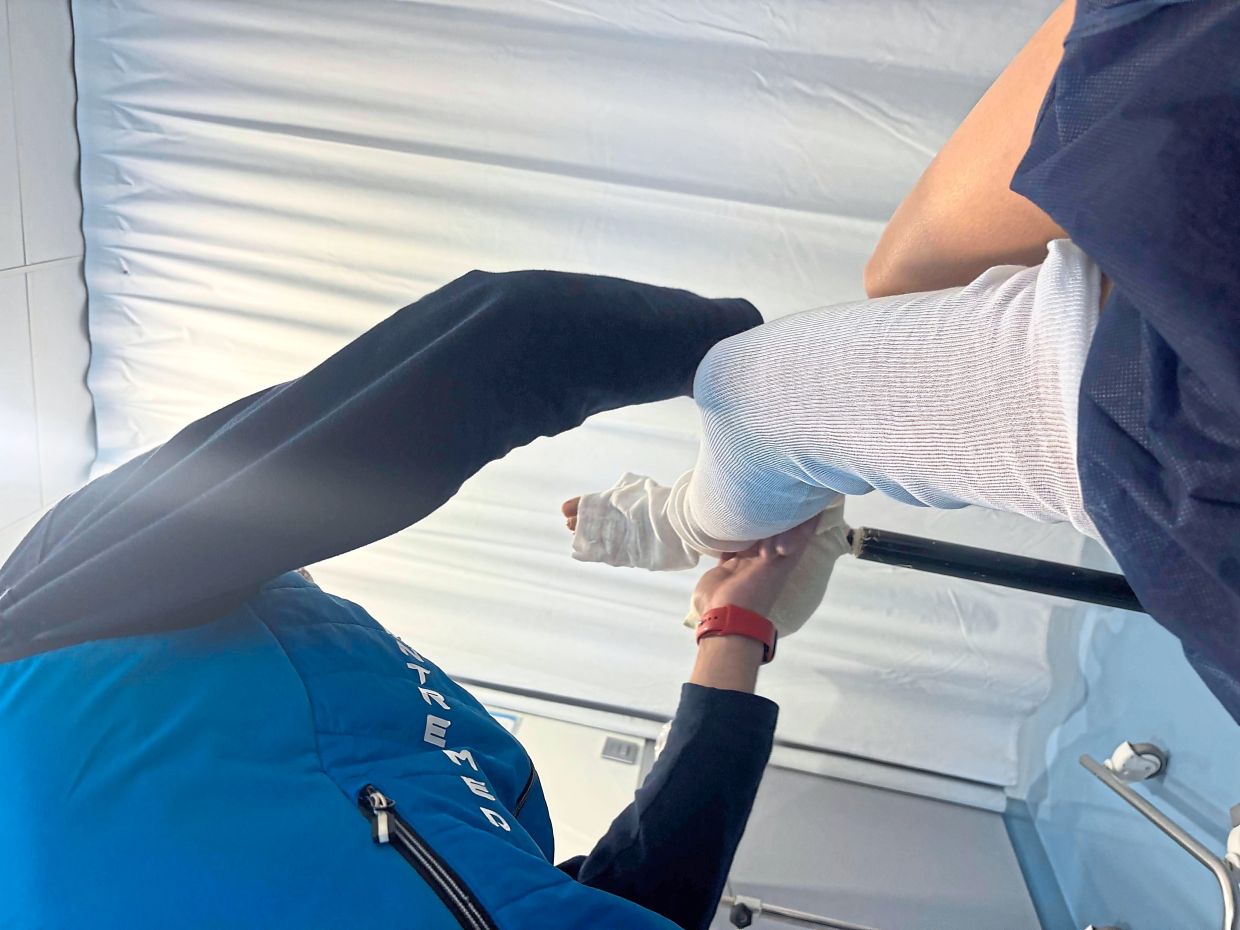
After surviving an excruciating night in bed, I checked myself into a medical centre specialising in ski accidents, conveniently located at the foot of the slopes. Being the only patient that morning, I’m treated with friendliness and brisk efficiency. The charm wears off at the cashier, however, where I discovered the €600 (RM2,792) bill isn’t covered by ski insurance, having arrived precisely one day too late.
“On busy days, we treat up to 500 patients,” the nurse said casually as he gingerly wrapped a bandage around my leg. The doctor’s verdict: a torn meniscus.
Looking like an unfinished Egyptian mummy, I’m wheeled out of the clinic under strict orders: Bed rest. No unnecessary movement. Absolutely no activities for at least a week.
“You need to lie down and not move your leg at all,” the doctor warns. “Or you’ll make it worse.”
But we only live once – and I have a “mushing” experience booked that day.
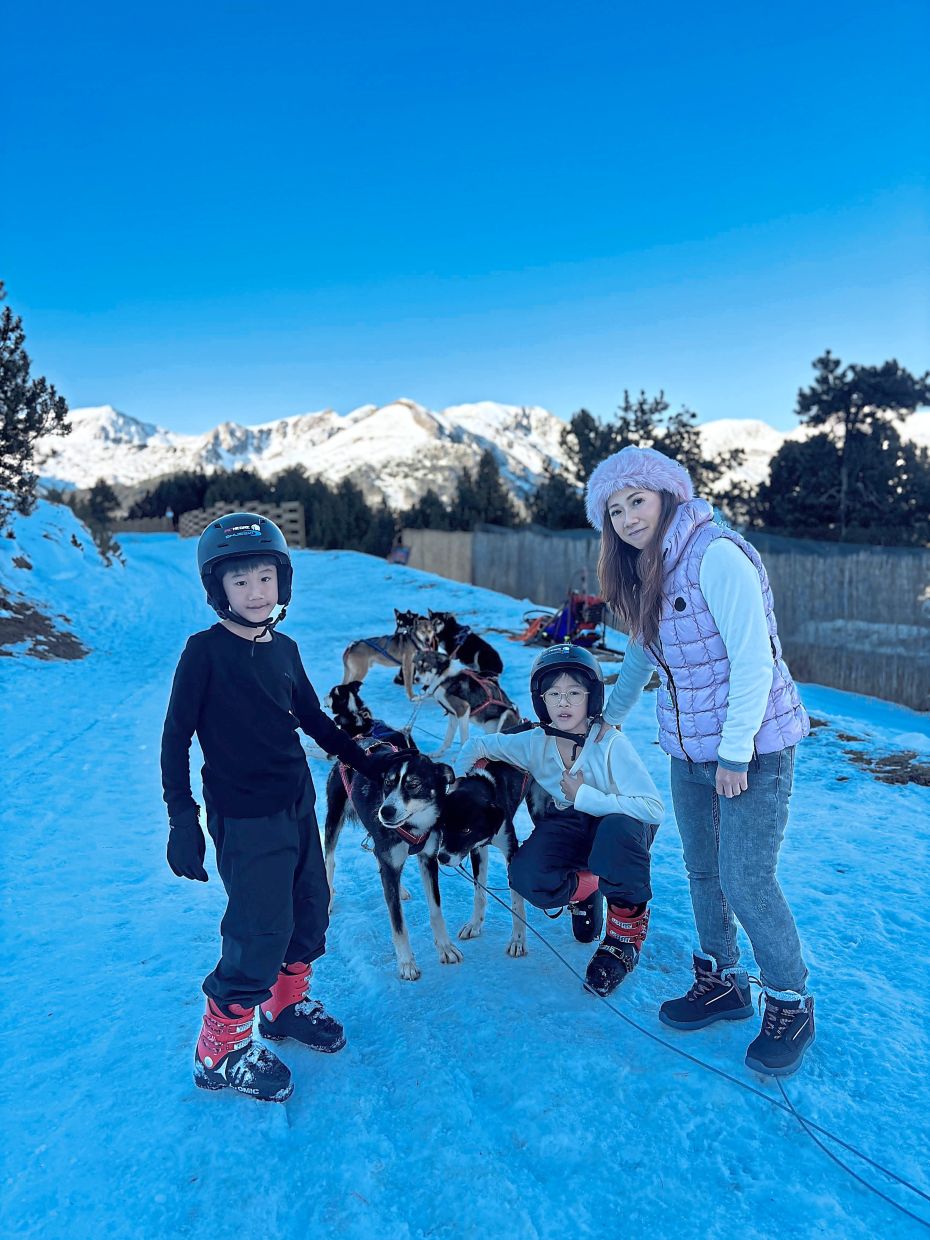
Mushing, for the uninitiated, involves being pulled across the snow on a sled by a team of dogs. So ignoring medical advice, I trekked – or rather, hobbled slowly – across the snow to a remote hut, where a pack of enthusiastic dogs were already waiting, tails wagging, impatient to get going.
Our guide, Eduard Jimenez, hails from nearby Barcelona, Spain just two and a half hours away. Once a dog trainer, he relocated to Andorra seven years ago for a slower pace of life, and today splits his time between working as a park ranger in the summer and a musher in winter.
“The dogs are a mix of huskies and racing breeds,” he explains. “Andorra isn’t as cold as Alaska (in the United States), and huskies need much colder temperatures to really thrive.”
The dogs live freely on a farm, he adds, and have to be retrained for mushing every winter.
“After the summer holidays, they get lazy,” he says with a laugh.
Settling into the roomy sled with my two boys, we’re moving almost before we realise it. The dogs bark cheerfully as they sprint forward, hauling us across a snow-covered pine forest, backlit by the soft glow of the setting sun. It’s only 4.30pm.
The ride is exhilarating yet strangely calming. We lie back beneath a blanket, watching the glowing sky rush past overhead. At various points, the dogs pause to relieve themselves mid-run, and we learn – very quickly – to dodge surprise jets of hot piss fired at alarming velocity.
Behind us, my husband follows on a standing sled of his own, pulled along by an equally enthusiastic pack of dogs.
“Okay, hang on tight – we’re going to go really fast,” our guide yells. “They know this is the final lap, and dinner is waiting for them at home.”
The kids hoot and howl as we race through the final stretch back to the hut. A few bumps send mild shockwaves through my injured knee, but I have zero regrets.
Warm nights in winter
Apres-ski is a cornerstone of winter life in Europe, and while many head to L’Abarset to mingle and dance with Andorra’s trendiest – Sundays even turn family-friendly – we opt instead for something quieter: an indulgent evening in a spa.
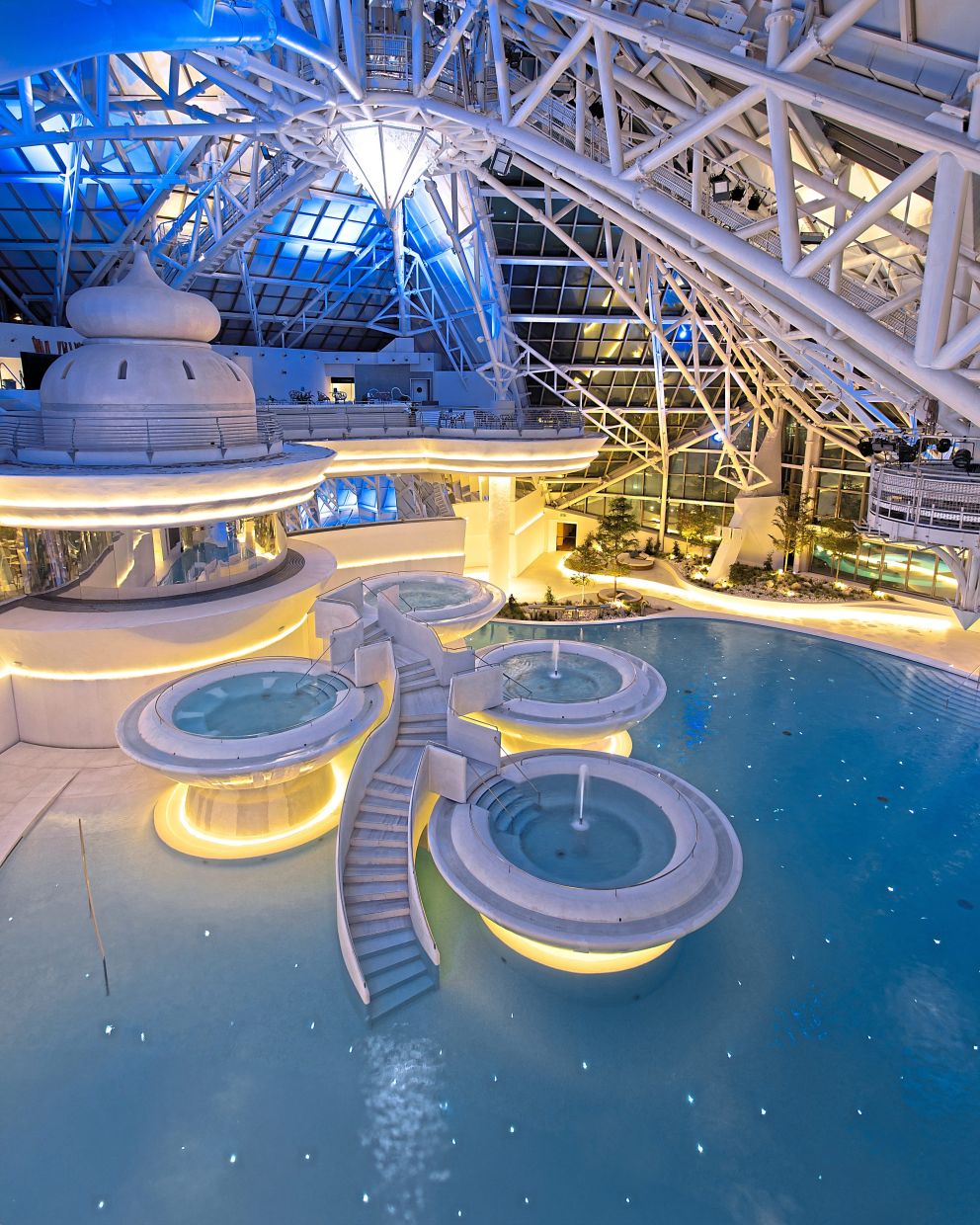
Thankfully, the country also happens to be home to Caldea Spa, the largest thermal spa in Southern Europe.
Sleek and futuristic, the complex is an architectural marvel, crowned by a soaring central dome. Inside are hot and cold pools and jacuzzis fed by mineral-rich Pyrenean spring water, solariums, hammams, saunas, and even an Indo-Roman bath inspired by the exquisite rock cave of India’s Elephanta Island.
Our favourite is the open-air lagoon, where we swim out into the icy night air while the steaming water keeps us blissfully warm.
We are in spa heaven.
Caldea is also refreshingly family friendly. There’s a dedicated children’s area staffed by trained supervisors who introduce little ones to the “spa world” through games, storytelling, bubble baths and gentle treatments. Ours, however, are perfectly content in the adult pools.
We end our trip with dinner at the vastly underrated Restaurant Borda L’Era del Rossell in Canillo. Scattered across Andorra, bordas are old stone houses that have been lovingly converted into restaurants serving traditional mountain cuisine.
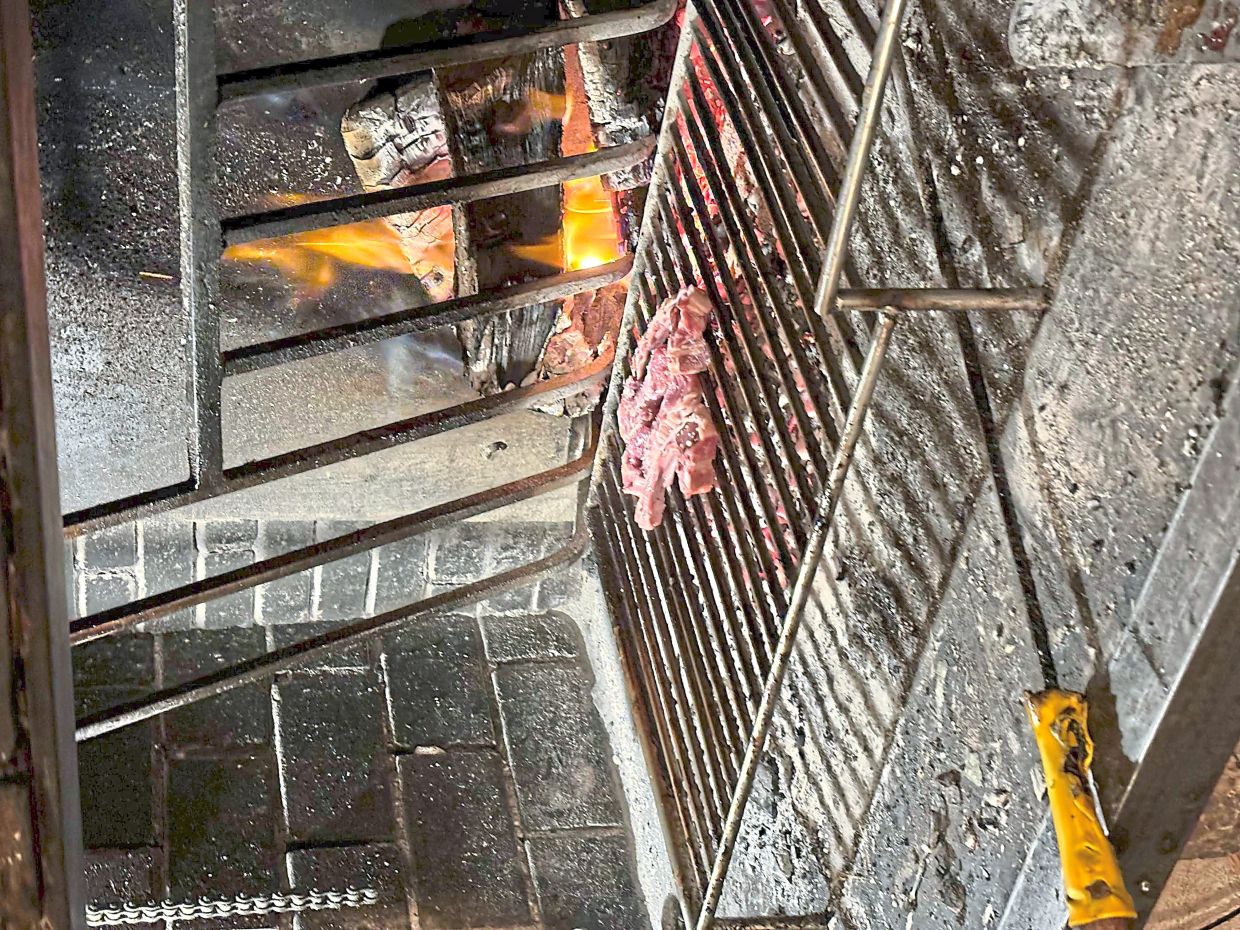
This one is noticeably quieter than many contemporary restaurants in the capital, but the moment we step inside and spot cuts of meat grilling over a traditional brick oven, I know we’re in good hands.
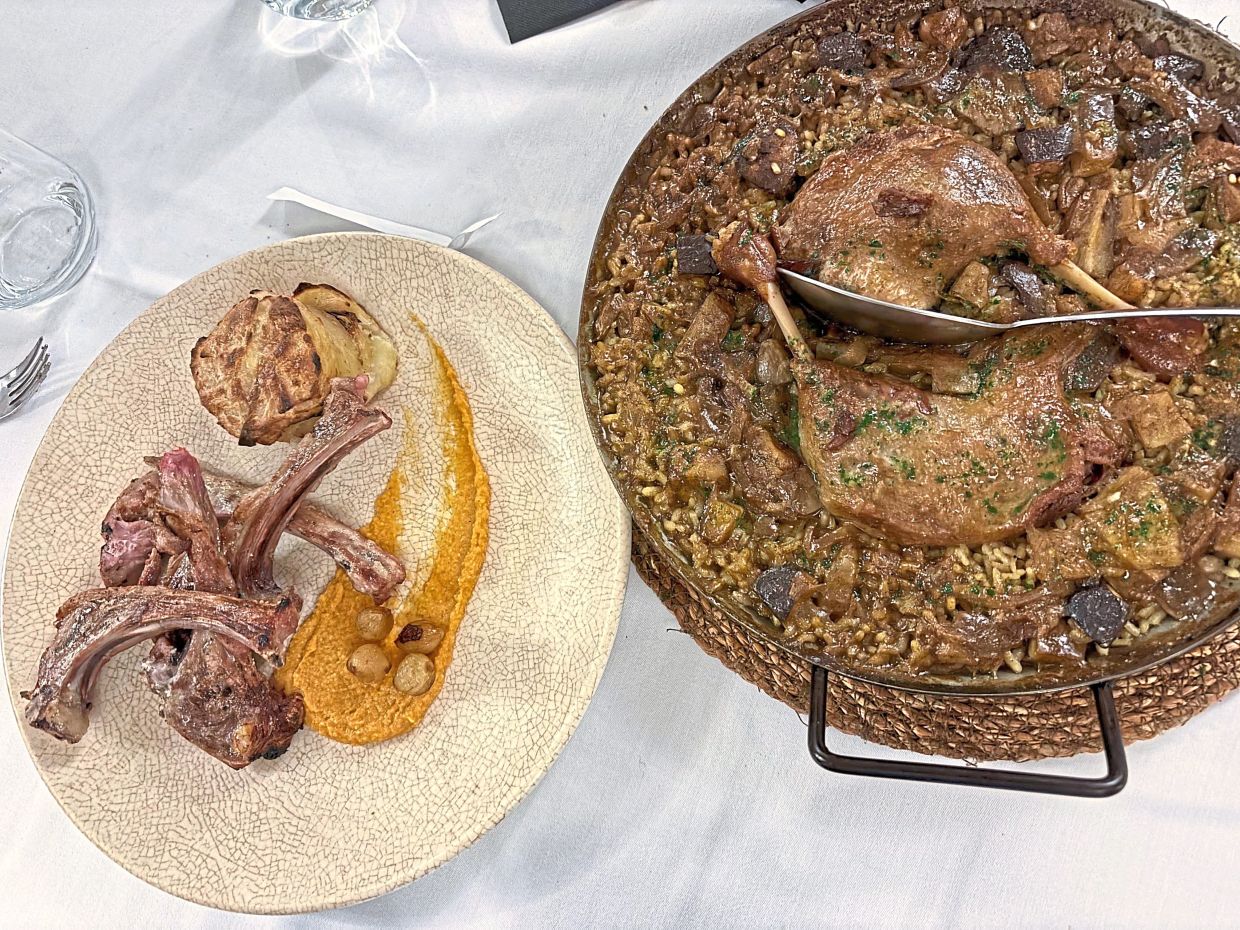
We order escargots, lamb chops and a duck confit paella – unmistakable nods to the French and Spanish influences that shape Andorran cuisine. Everything arrives cooked to perfection, with zero gimmicks and no unnecessary flourishes. Prices, once again, are refreshingly lower than in France, the service is impeccable, and it becomes, without question, one of the best meals we’ve had on this trip.
The next day, as we drive back towards Barcelona, the children start pleading from the back seat, asking if we can stay for another week or two.
Andorra, it turns out, has a way of doing that. From a tiny country few people can place on a map, it tugs at the heartstrings of those who take the time to visit.
There’s so much we wish we had time for: wandering the stone villages of Ordino and Pal, whizzing down Tobotronc, the world’s longest toboggan run, or walking the glacial valley of Valle de Incles.
Even my usually cynical husband – who tires easily of Europe – leans over during the drive and says, “Andorra might be the best decision you’ve ever made.”
Just don’t make the mistake of thinking you’re invincible once you strap on a pair of skis.
Travel notes
How to get there: The easiest way to reach Andorra is via Barcelona. From the city, Andorra is less than a three-hour drive, making it an easy add-on to a Spanish itinerary.
There are also frequent, direct bus services from Barcelona (including the airport) to Andorra la Vella, which are comfortable, affordable and convenient if you prefer not to drive.
Where to stay: Suites Plaza Hotel & Wellness Andorra is an excellent base, especially for families. This five-star city hotel offers spacious family suites at surprisingly affordable prices (RM580-RM700), along with amenities such as a heated pool and kid-friendly wellness facilities that are free to use with advance booking. Its central location also makes it easy to walk to shops, cafés and restaurants in Andorra la Vella.
There are also four-star hotels below RM500 in the capital, and a few apartment rentals too. If you’re feeling very fancy, check out the luxury boutique hotels and spa that go for RM3,000 and above.
Travel tips:
1. Rent a car if you can. Driving is the best way to explore Andorra’s lush valleys and mountain villages at your own pace.
Winter driving rules apply. During the winter months, snow tyres, snow chains or snow socks are mandatory, so be sure your rental car is properly equipped.
2. Pack light – and leave space in your luggage. Andorra is a duty-free paradise, particularly for beauty, fashion and electronics. It also hosts an annual Shopping Festival in November, and chances are you’ll leave with more than you planned to buy.
3. Andorra’s largest ski resorts, including Grandvalira (grandvalira.com) and Pal Arinsal (palarinsal.com), simplify trip planning with all-in- one online booking systems for activities, equipment rentals and even stays.